Compare Species
See related species side by side. Understanding how similar species differ is one of the best ways to sharpen your identification skills.
638 genera with 2+ species available to compare
true sedges
Carex176 speciesHow to Tell Them Apart
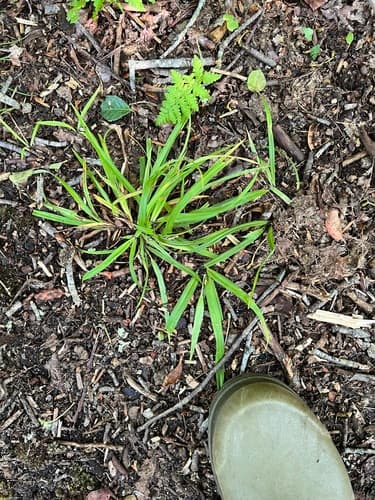
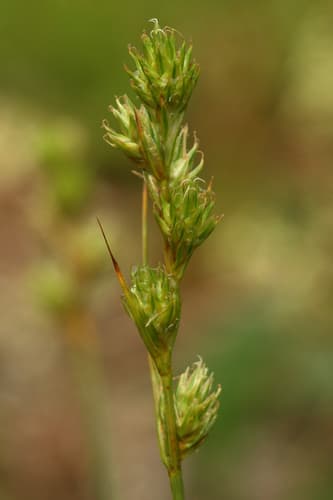
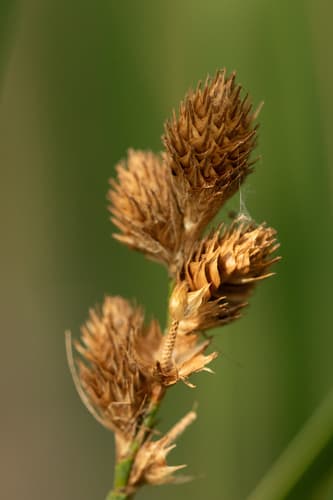
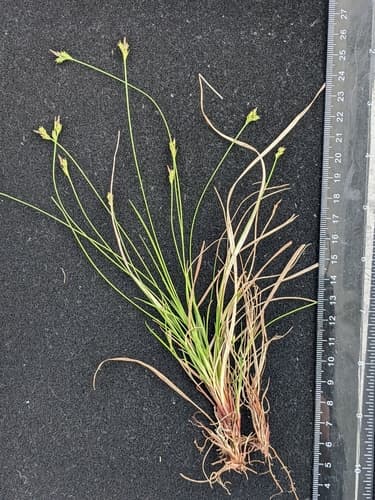
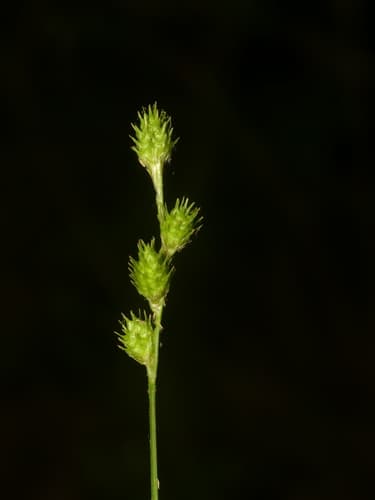
Among New England's many sedges, thicket sedge stands out for its specific habitat preference for shrubby areas rather than wetlands, prairies, or open woods. While Pennsylvania sedge might grow in similar areas, it prefers more open woodland conditions. Thicket sedge is also much less common than most of its relatives, making any sighting noteworthy.
Sphagnum mosses
Sphagnum44 speciesHow to Tell Them Apart
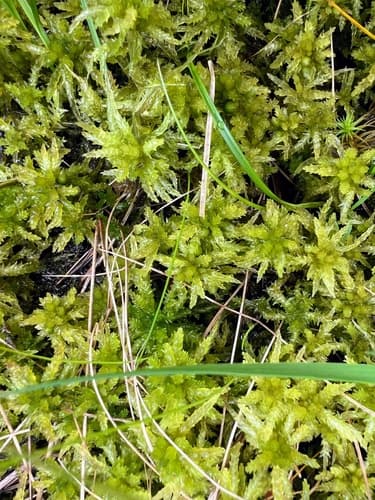
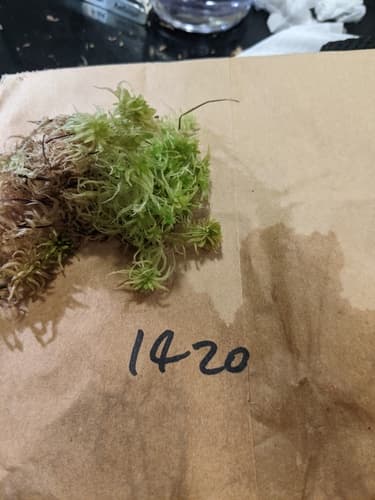
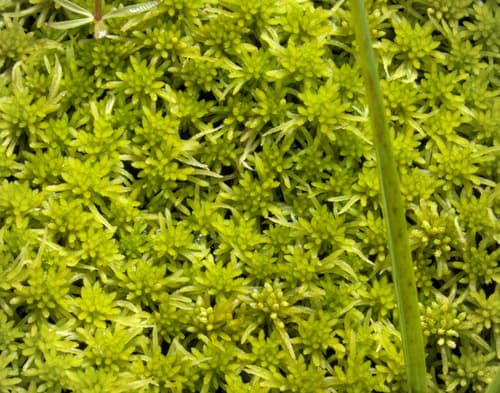
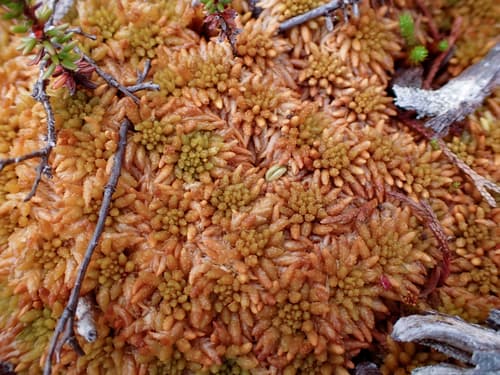
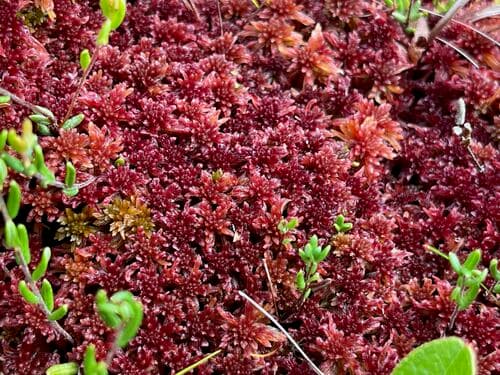
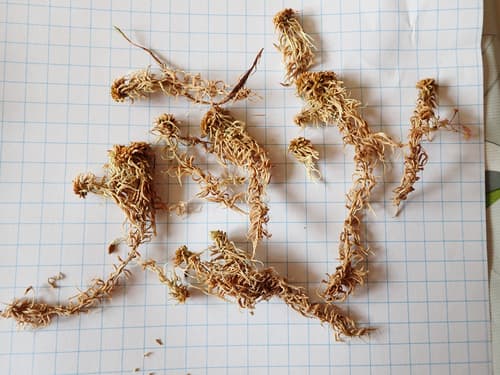
Among New England's many sphagnum species, imbricate bog-moss is distinguished by its yellowish coloration - more yellow than the bright green of Girgensohn's peatmoss or the reddish tones of red peatmoss. While all sphagnums share that characteristic spongy feel, the consistent yellowish hue of imbricate bog-moss makes it one of the more recognizable species once you know what to look for.
Violets
Viola37 speciesHow to Tell Them Apart
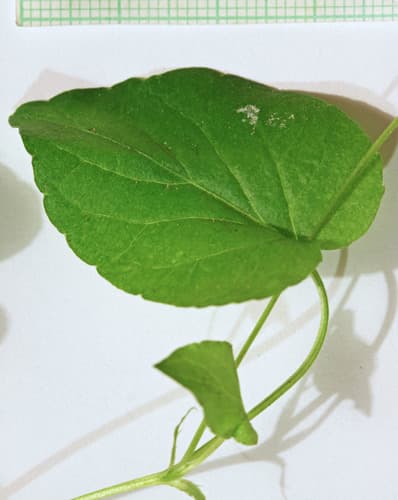
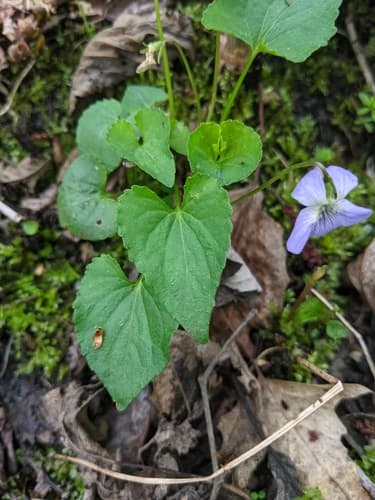
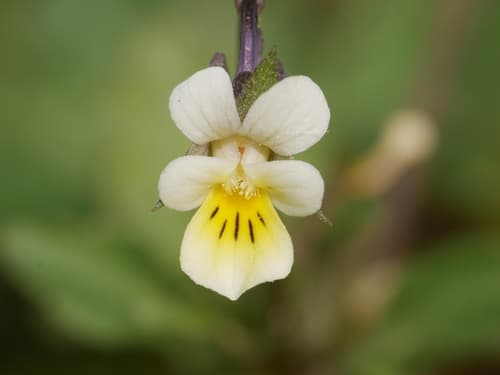
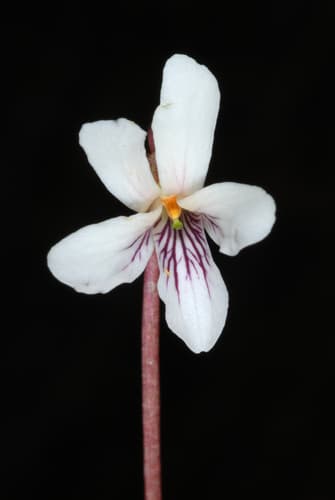
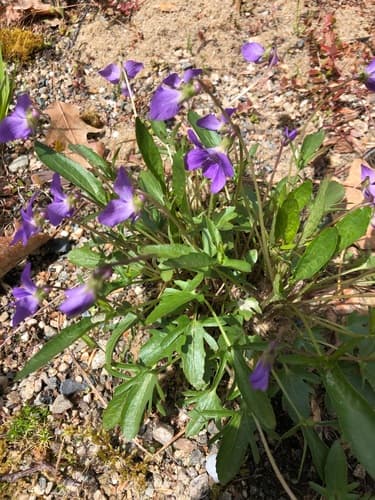
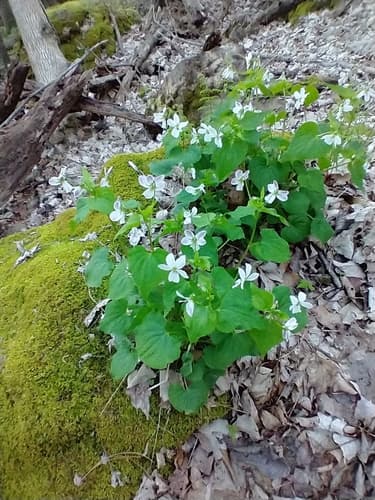
Among New England's many violets, hookedspur violet stands out for its hooked spur - most other blue violets like common blue violet have straight or only slightly curved spurs. Long-spurred violet has a long straight spur, while bird's foot violet has deeply divided leaves that look nothing like hookedspur's heart-shaped ones. The hooked spur is your best field mark for this rare regional species.
Cosmarium
Cosmarium34 speciesHow to Tell Them Apart
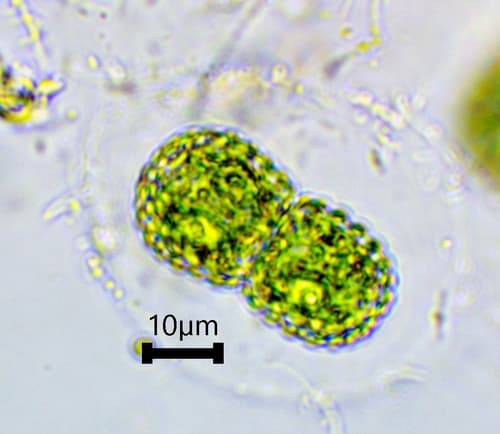
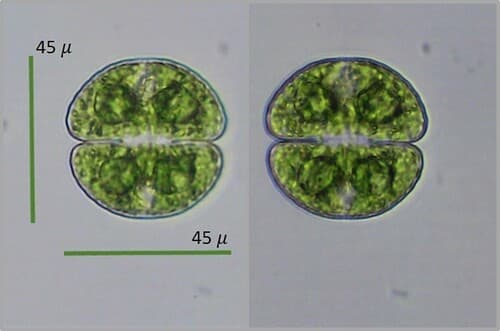
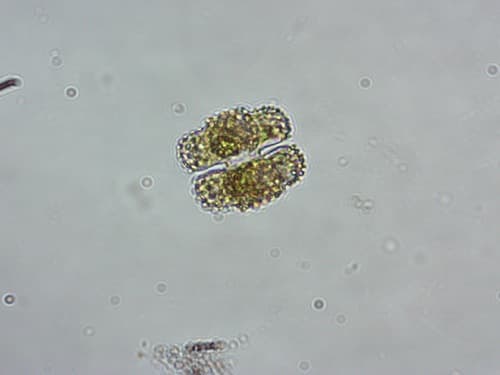
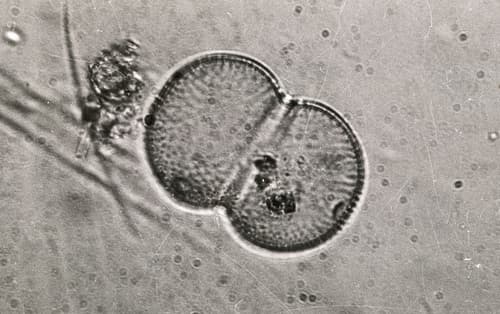
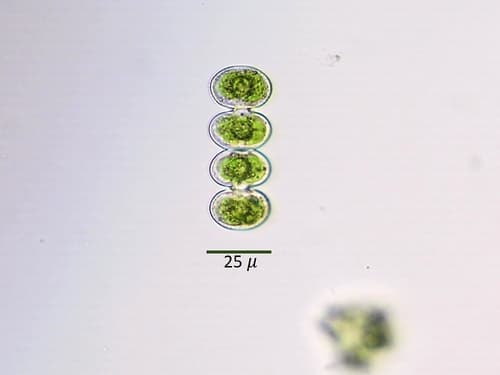
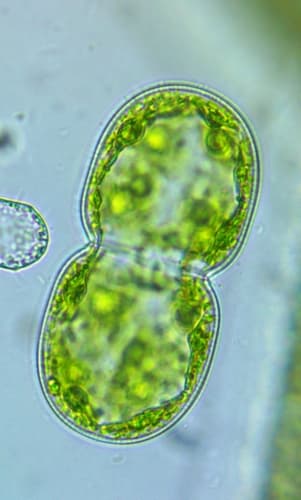
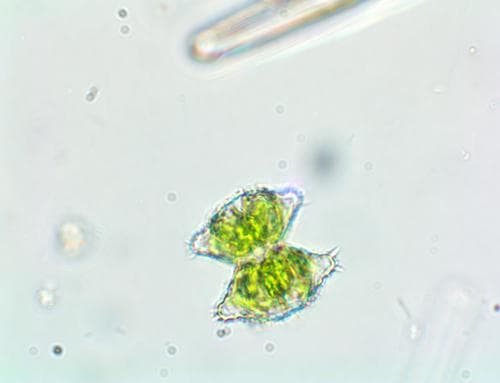
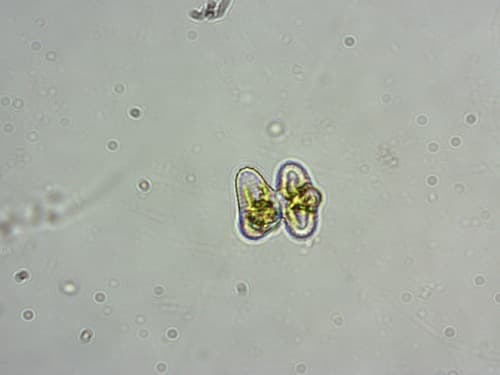
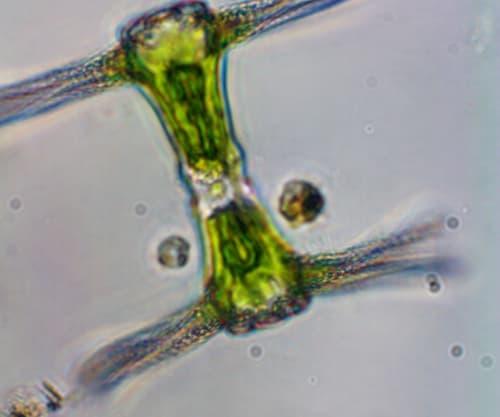
Cosmarium amoenum differs from its relatives by having more organized, regular patterns of surface granules and pores compared to species like C. granatum which has more scattered decorations. Unlike C. ovale which is more egg-shaped, C. amoenum maintains the classic pinched dumbbell form with a very narrow connecting bridge between the two halves.
brambles
Rubus33 speciesHow to Tell Them Apart
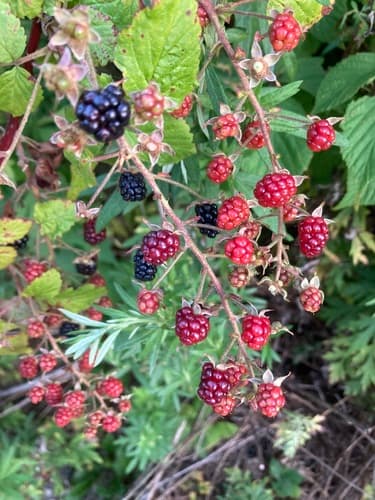
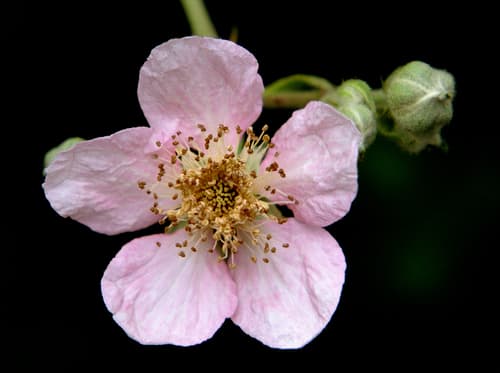
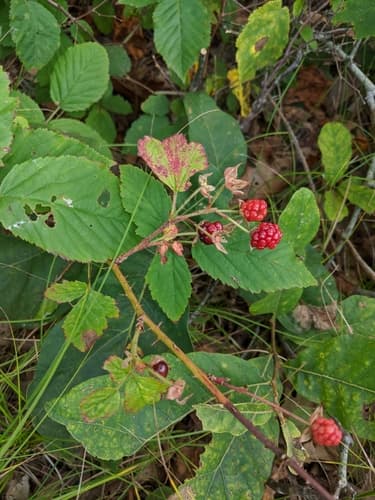
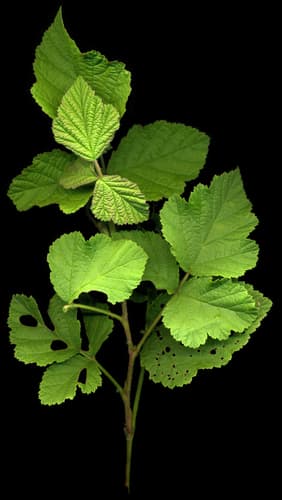
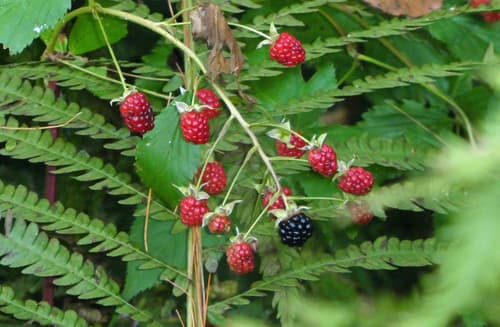
Allegheny blackberry is the most robust and widespread of New England's blackberries, with larger thorns and taller growth than most dewberries, which tend to trail along the ground. It's much taller and more upright than the low-growing swamp dewberry, and its thorns are more substantial than those found on any of the raspberry species, which have smaller, straighter prickles rather than large curved hooks.
Staurastrum
Staurastrum32 speciesHow to Tell Them Apart
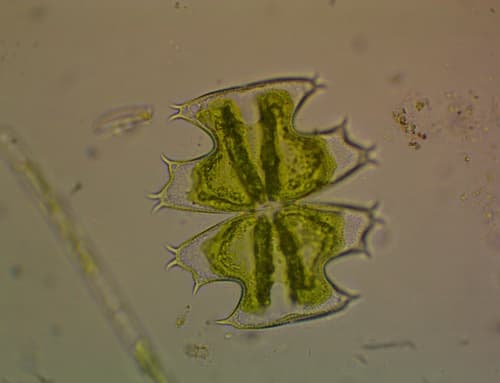
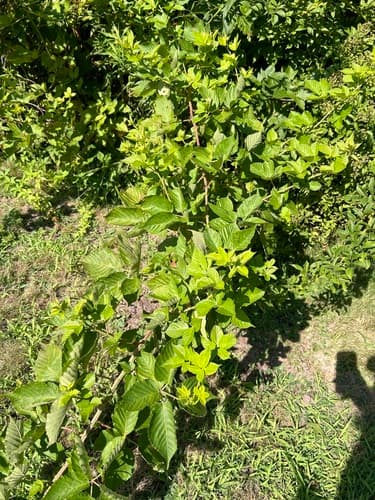
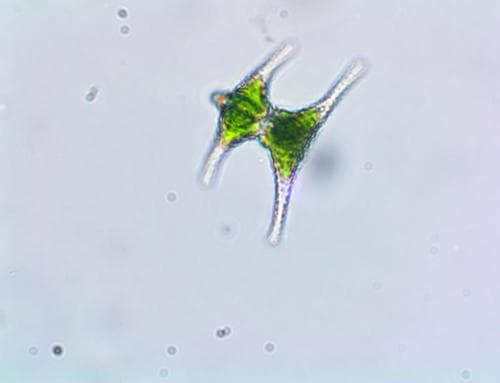
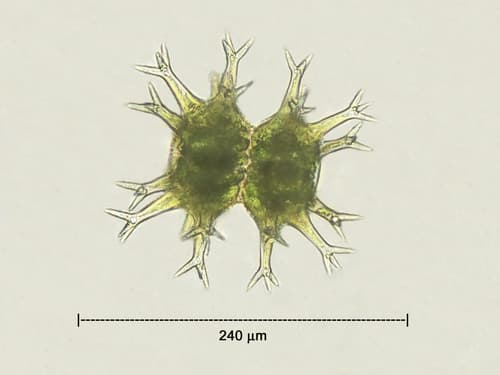
Staurastrum aculeatum differs from its many relatives by having more regularly arranged spines and a more symmetrical star shape compared to species like S. hystrix (which has longer, more chaotic spines) or S. orbiculare (which is more circular). The spine length and pattern are key - aculeatum's spines are moderate in length and evenly distributed, creating a balanced, almost snowflake-like appearance.
hawthorns
Crataegus31 speciesHow to Tell Them Apart
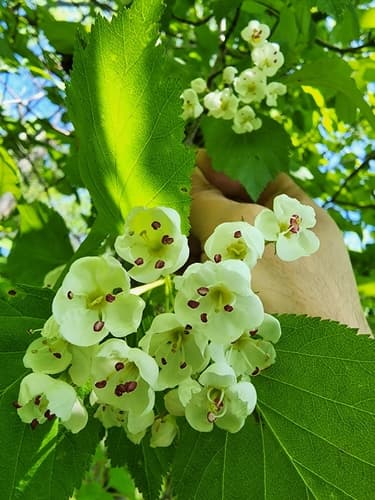
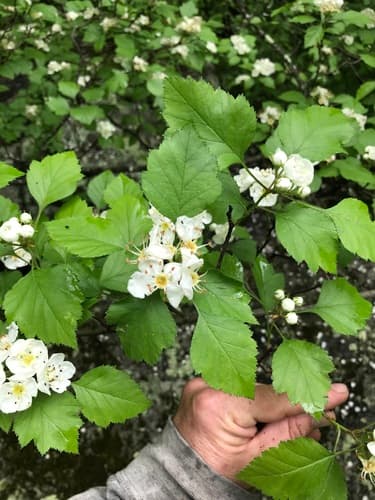
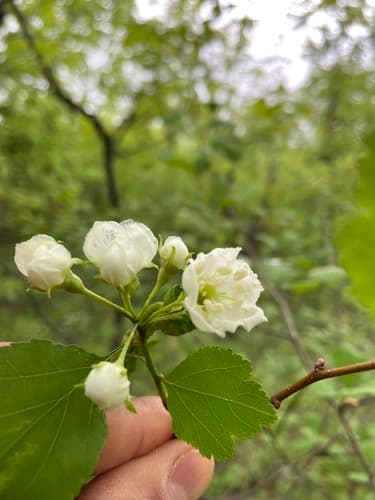
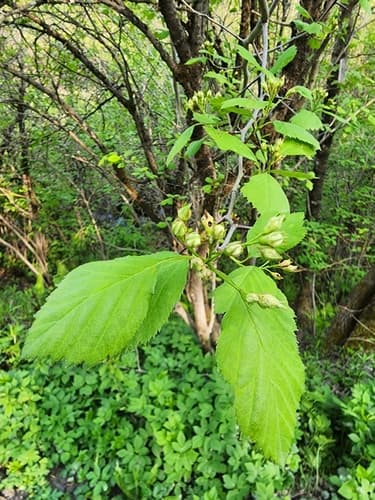
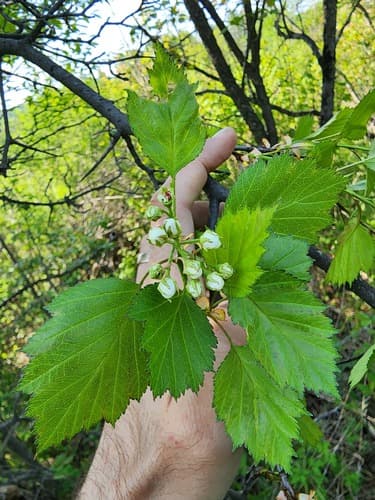
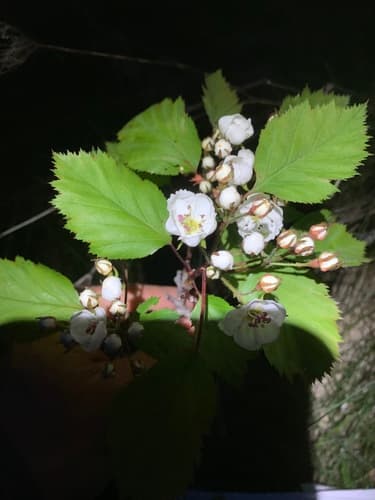
Northern hawthorn differs from the more common dotted hawthorn by having less deeply lobed leaves and different fruit characteristics, though these distinctions can be subtle. Compared to cockspur hawthorn, it typically has shorter thorns and a more northern distribution. The extreme rarity of this species in New England means most hawthorns you encounter will be one of the more common relatives like dotted, cockspur, or common hawthorn.
Willows
Salix29 speciesHow to Tell Them Apart
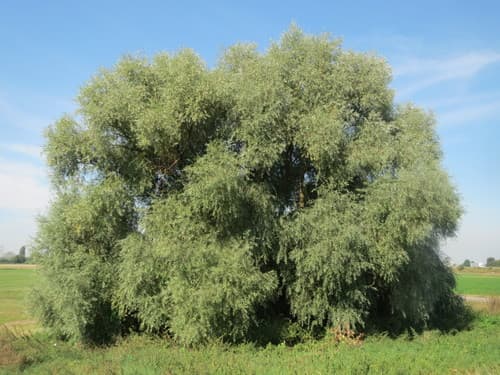
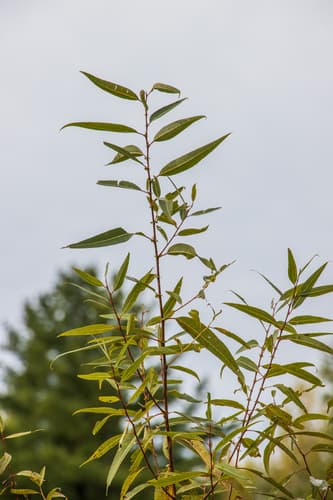
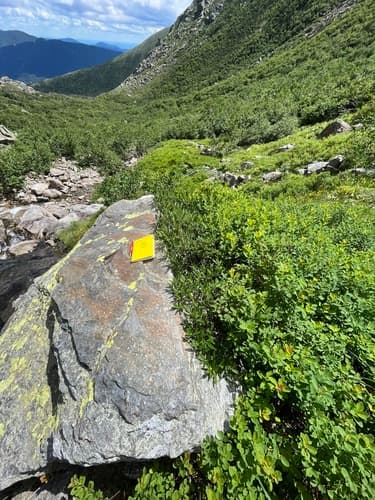
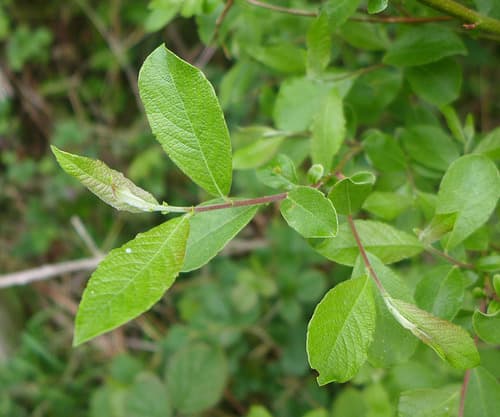
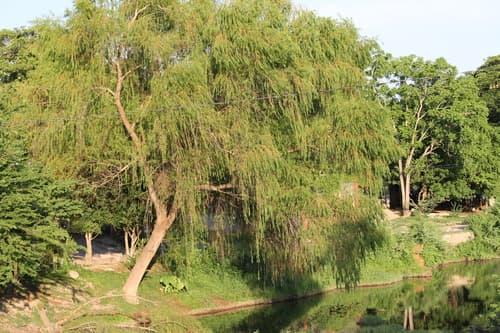
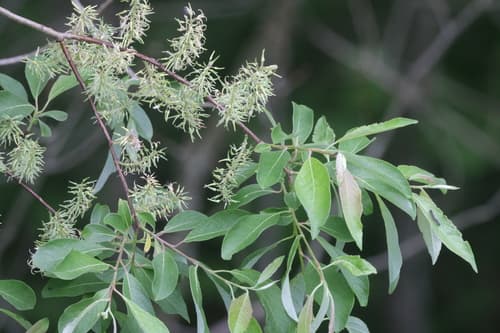
Among New England's willows, white willow stands out for its especially silvery leaf undersides and larger mature size. Pussy willow is much smaller and known for its fuzzy spring catkins, while black willow has darker bark and green leaf undersides. Weeping willow has the distinctive drooping branches that white willow lacks.
Rushes
Juncus28 speciesHow to Tell Them Apart
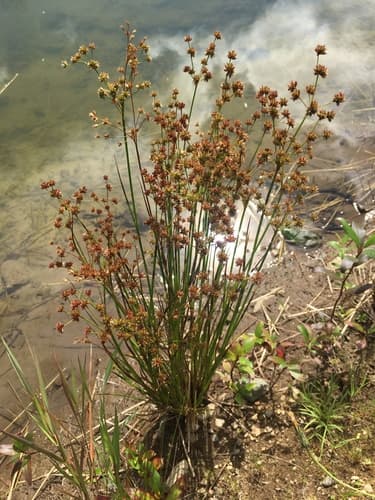
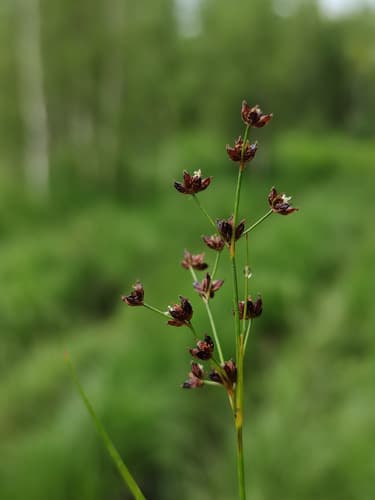
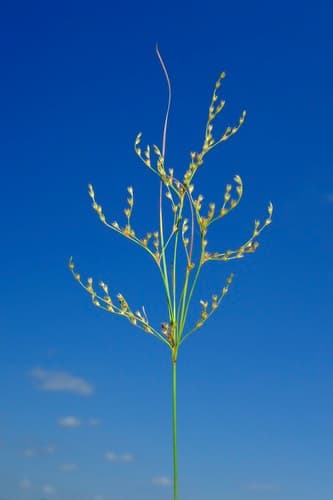
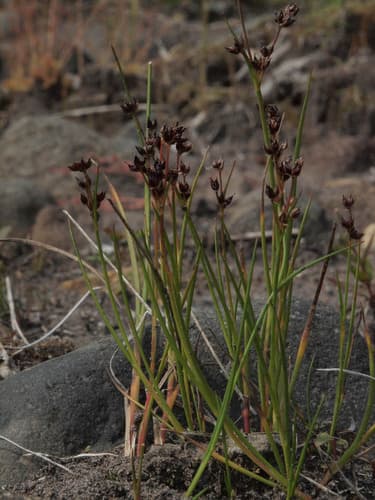
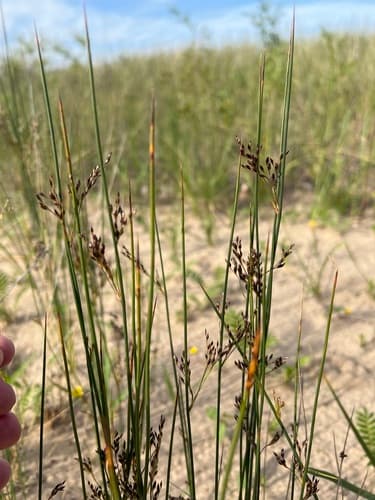
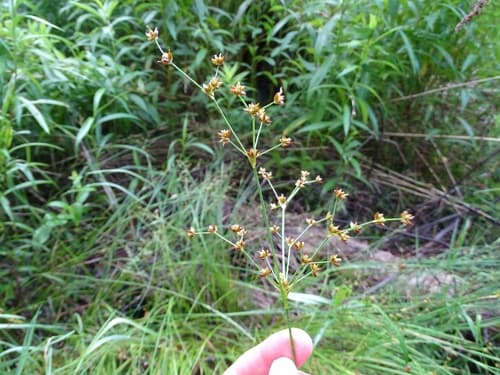
Among New England rushes, tapered rush stands out for its sharply pointed flower segments and open, branching flower clusters. Soft rush has flowers clustered to one side, while path rush has much more compact flower heads. The 'tapered' flower segments of this species are more pronounced than the blunter segments found on most other rush species in our region.
goldenrods
Solidago27 speciesHow to Tell Them Apart
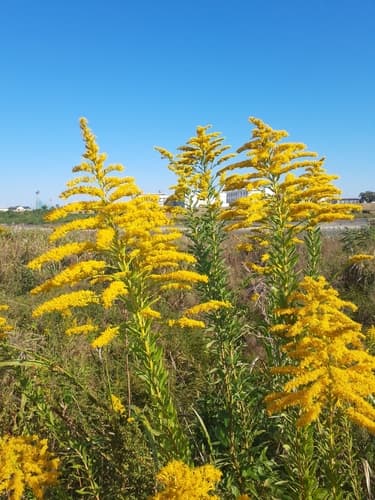
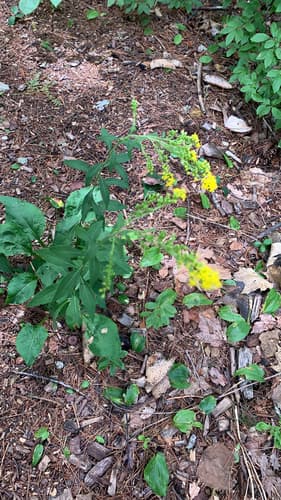
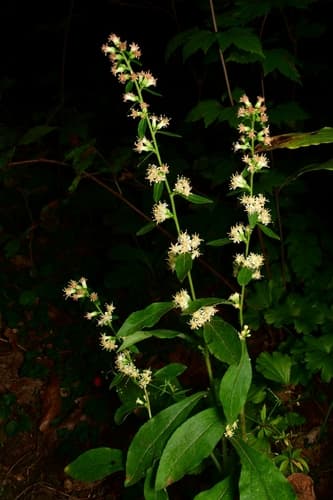
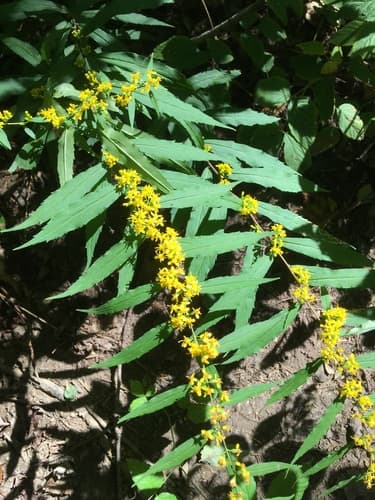
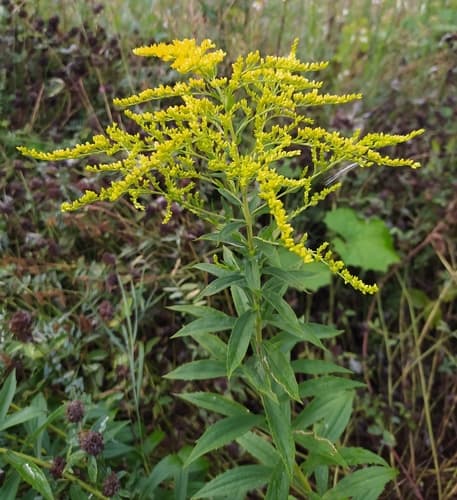
Among New England's goldenrods, tall goldenrod stands out for its impressive height and pyramid-shaped flower clusters. Canada goldenrod has more one-sided flower arrangements, while early goldenrod blooms much earlier and has different leaf shapes. Giant goldenrod can be similarly tall but has smooth, blue-green stems compared to tall goldenrod's rougher, green stems.
American asters
Symphyotrichum27 speciesHow to Tell Them Apart
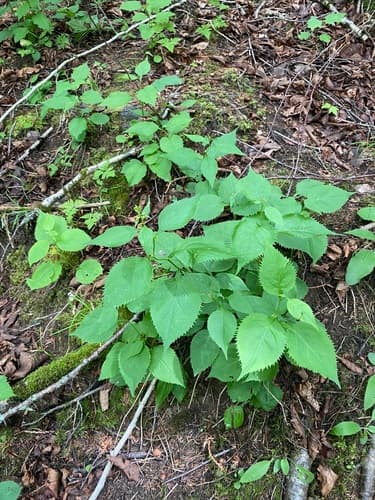
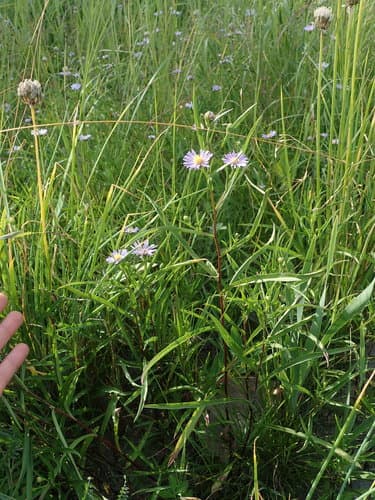
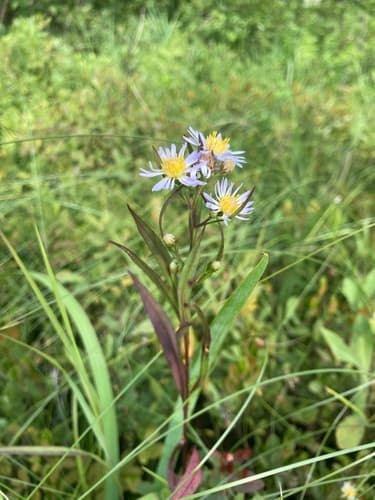
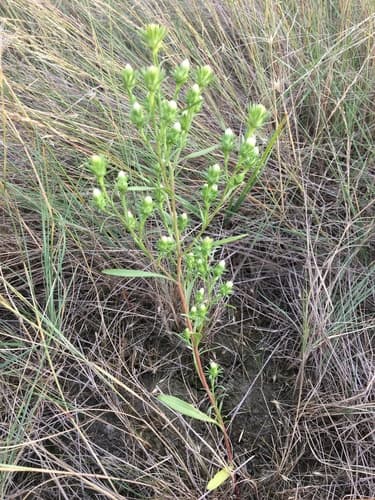
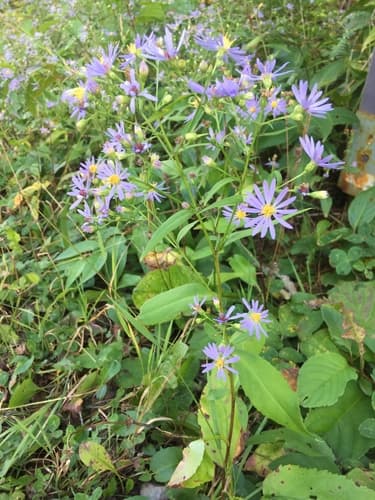
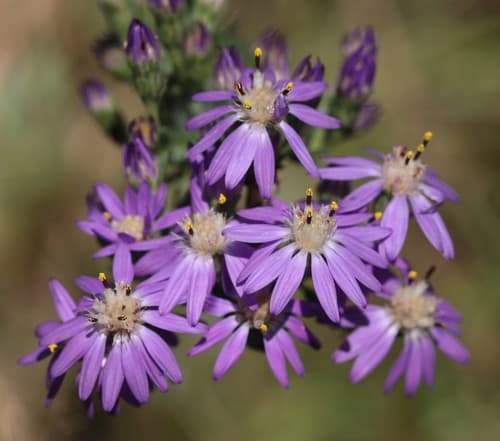
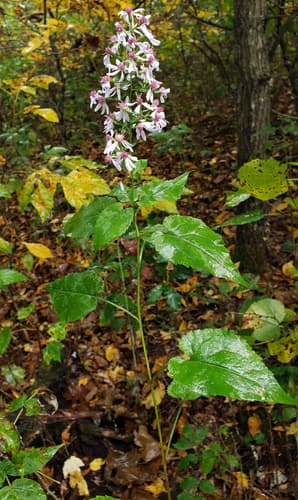
Unlike the robust, hairy New England aster with its deep purple flowers, Anticosti aster is much more delicate with paler blooms. It's also much smaller and more slender than the common swamp aster or New York aster. The key difference is the pale purple to lilac flower color combined with its extremely limited range - most other Symphyotrichum asters in the region are either much more common or have distinctly different flower colors.
Pondweeds
Potamogeton25 speciesHow to Tell Them Apart
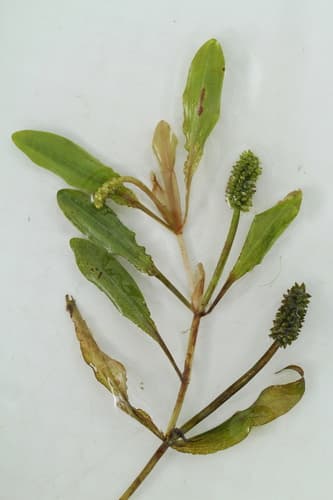
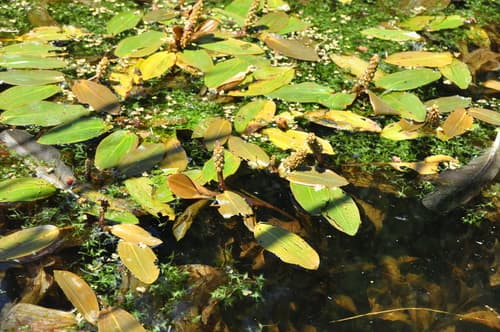
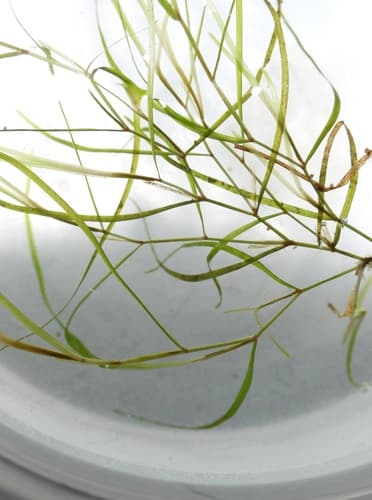
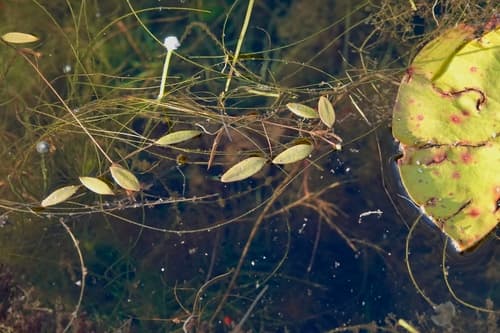
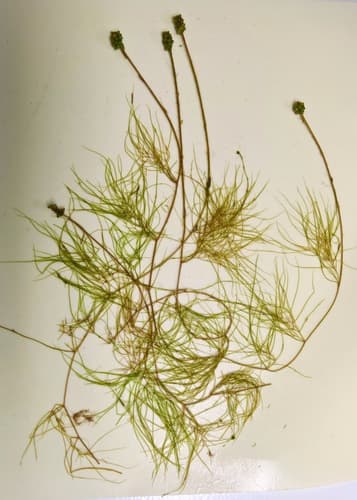
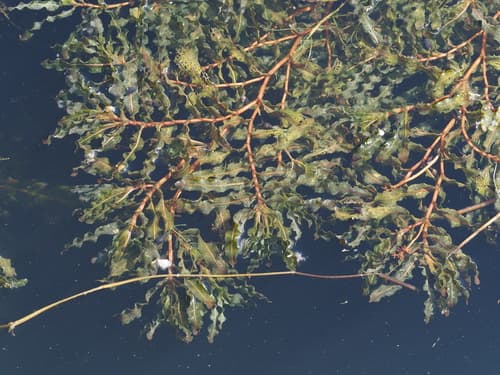
Among New England's many pondweeds, northern pondweed stands out with its reddish stem coloration - most other species like ribbon-leaved pondweed or grass-leaved pondweed have plain green stems. While floating-leaved pondweed has broad floating leaves on the surface, northern pondweed keeps all its narrow leaves underwater. The red tinge combined with its preference for very clean water makes it fairly distinctive once you know what to look for.
Spurges
Euphorbia24 speciesHow to Tell Them Apart
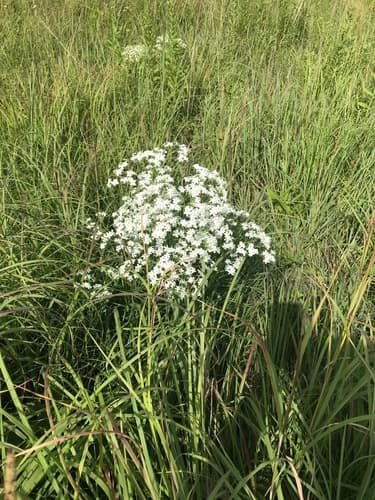
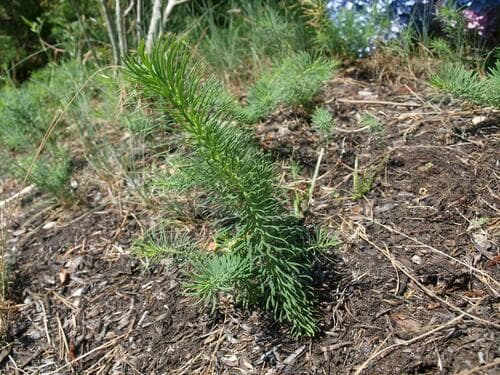
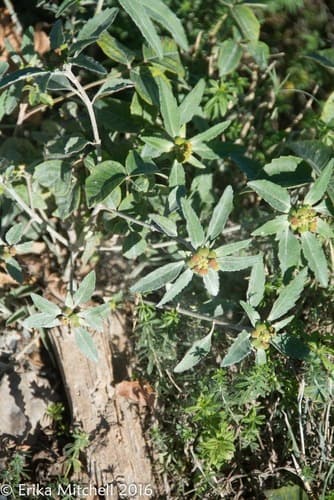
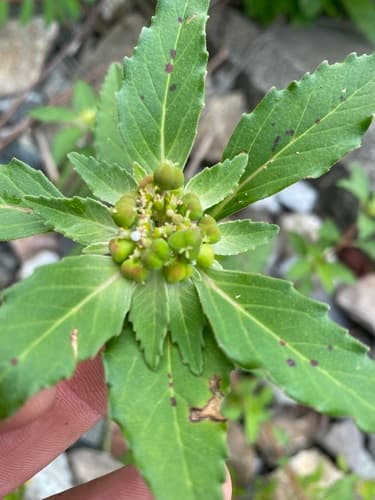
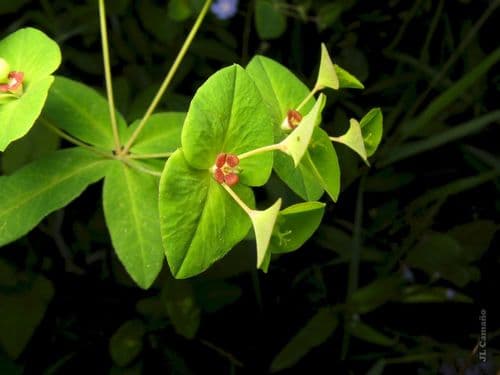
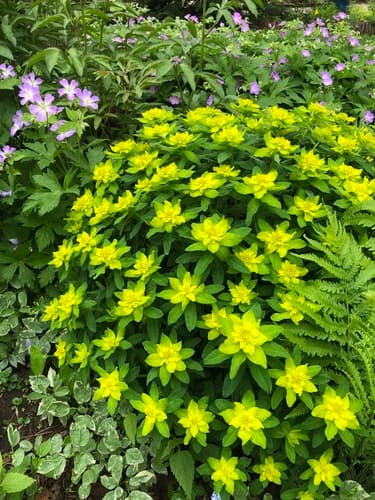
Flowering spurge towers over most of its spurge relatives in New England, which tend to be low, mat-forming plants like spotted spurge or cypress spurge. While other spurges have small, inconspicuous flowers, flowering spurge puts on a real show with its white flower clusters. Its upright growth habit and larger size make it easily distinguishable from the creeping or prostrate growth of most other local spurges.
knotweeds, smartweeds, and waterpeppers
Persicaria24 speciesHow to Tell Them Apart
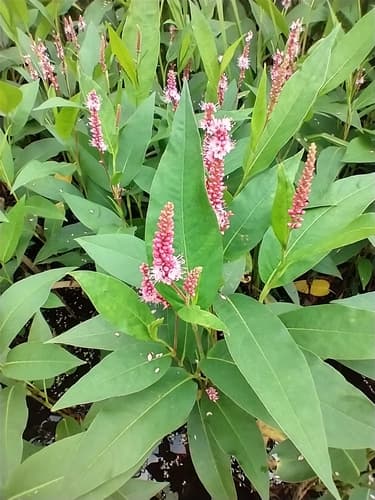
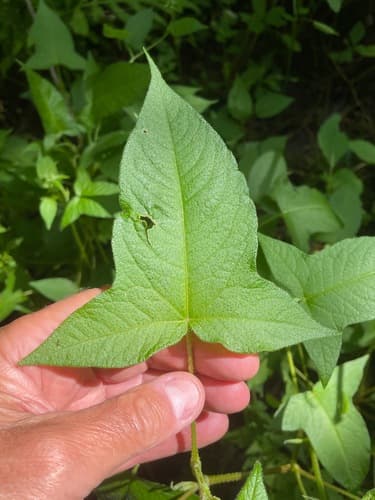
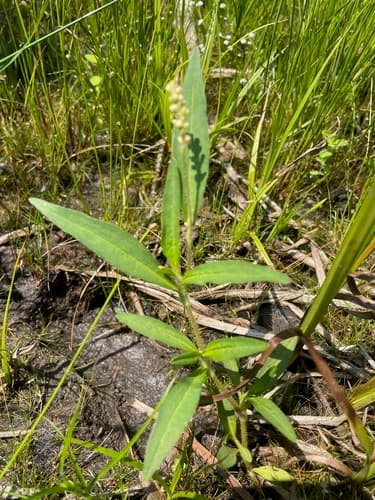
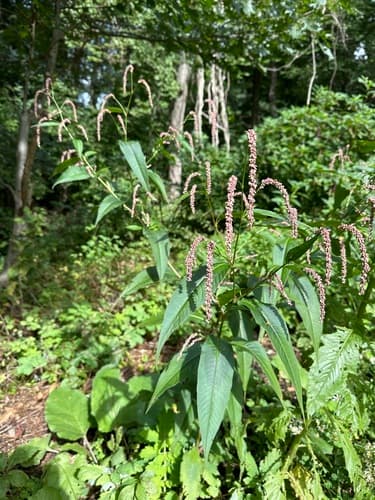
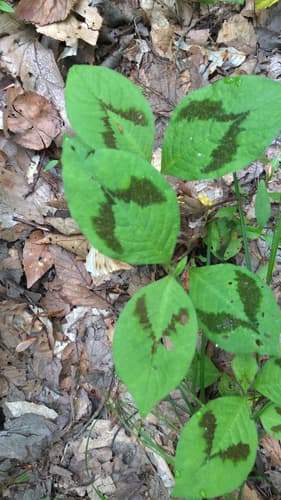
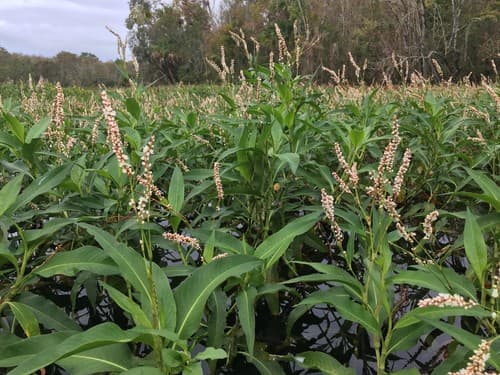
Among New England's many Persicaria species, water smartweed is unique in its amphibious lifestyle and dramatically different leaf forms. While swamp smartweed also likes wet areas, it doesn't form floating mats or change leaf shapes so dramatically. The thick, bottle-brush flower spikes are generally more robust than those of most other smartweeds in the region.
Flatsedges
Cyperus23 speciesHow to Tell Them Apart
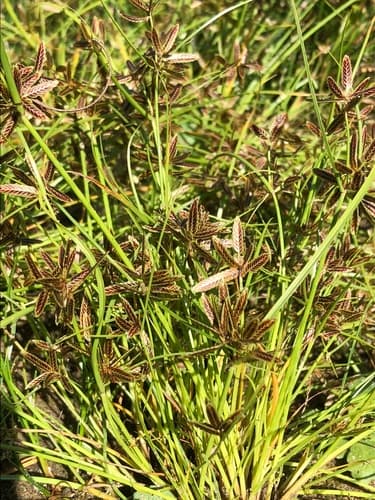
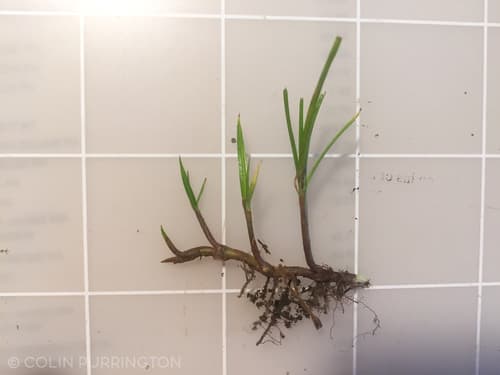
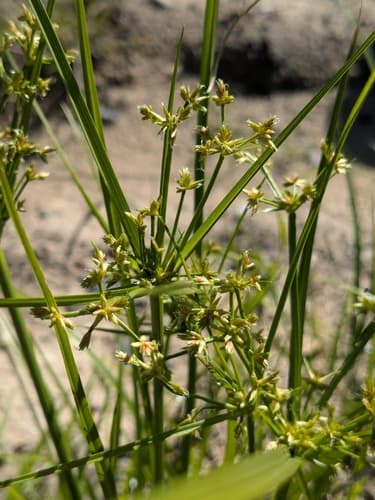
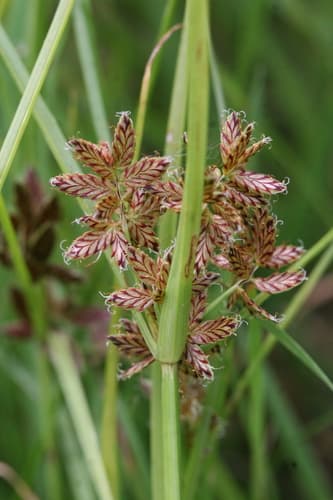
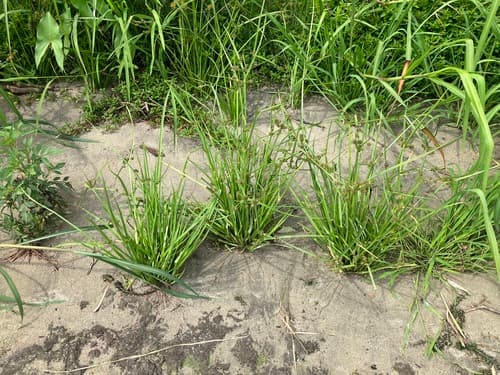
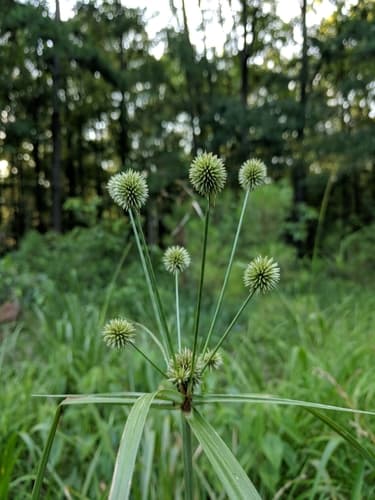
Among its flatsedge relatives, shining flatsedge stands out for its particularly glossy flower scales - most other Cyperus species have duller, more matte-colored scales. Yellow nutsedge is larger and has yellowish scales, while straw-colored flatsedge has pale, straw-colored scales rather than the rich chestnut-brown of shining flatsedge. The compact growth habit also helps distinguish it from the taller, more spreading flatsedge species.
rosette grasses
Dichanthelium22 speciesHow to Tell Them Apart
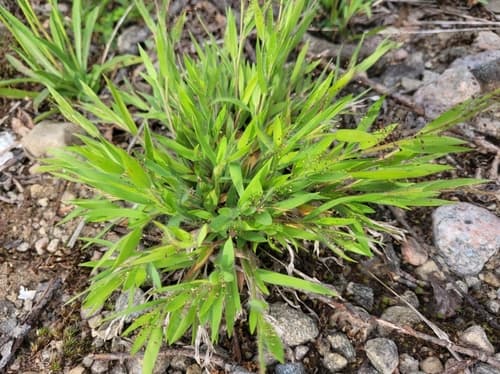
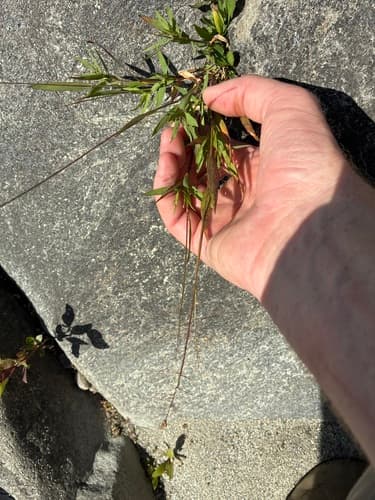
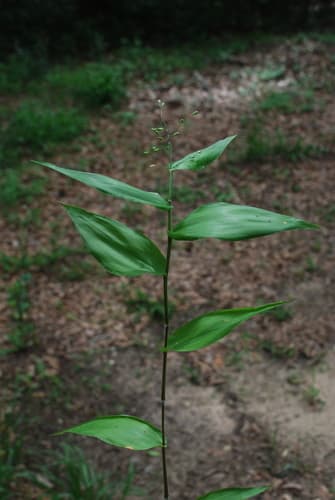
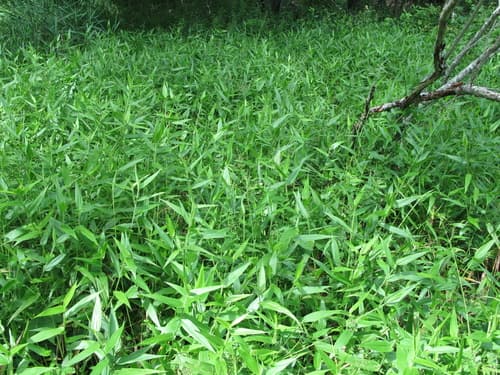
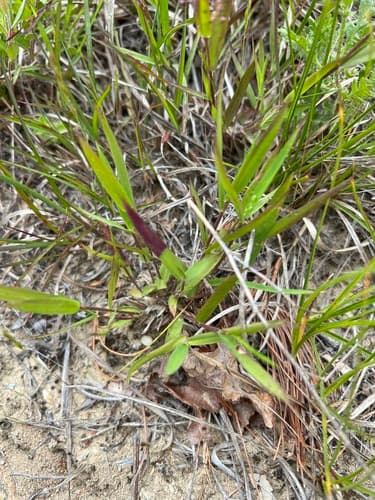
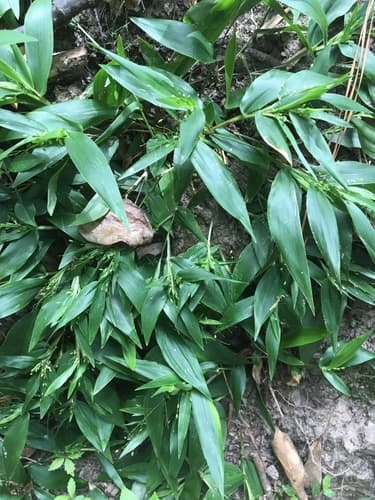
Among its many rosette grass relatives, hairy rosette-panicgrass stands out for its consistently fuzzy, velvety texture - most others like deertongue feel smooth or slightly rough. Broad-leaved panic grass has wider leaves but lacks the soft hairiness, while the various witchgrasses tend to have stiffer, less fuzzy foliage. When in doubt, trust your fingertips - that soft, velvety feel is this species' calling card.
Closterium
Closterium21 speciesHow to Tell Them Apart
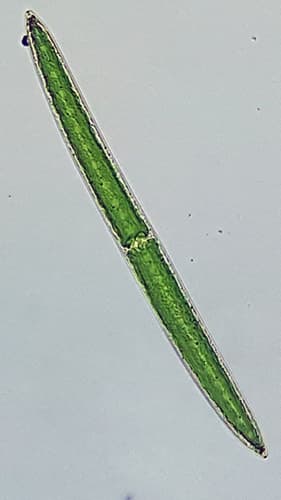
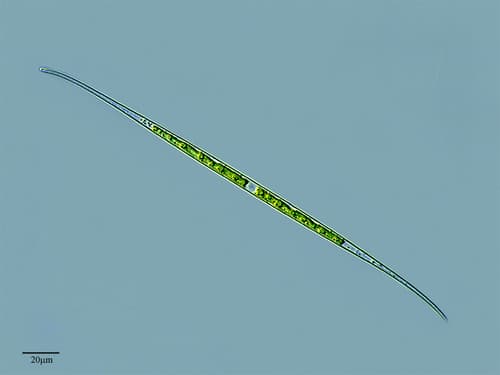
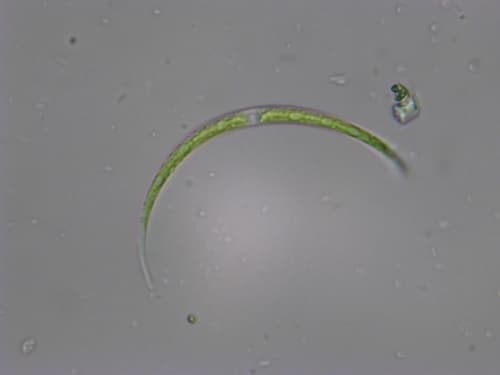
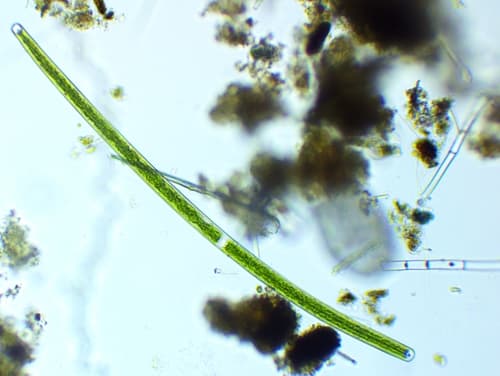
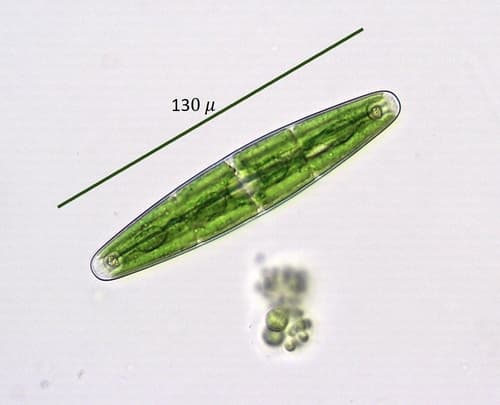
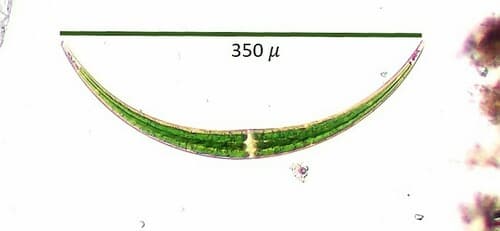
Closterium acerosum is distinguished from its many relatives by being exceptionally slender and needle-like - much thinner than the broad crescents of C. lunula or C. ehrenbergii. While C. setaceum is also thin, acerosum has a more pronounced curve and sharper points. Think of it as the most delicate and refined member of the crescent-shaped Closterium family.
buttercups
Ranunculus21 speciesHow to Tell Them Apart
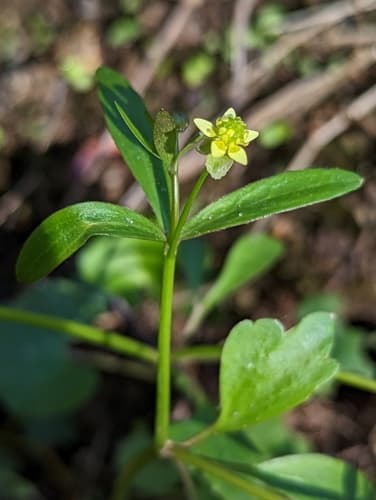
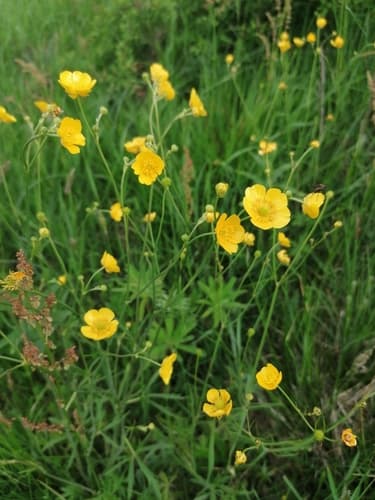
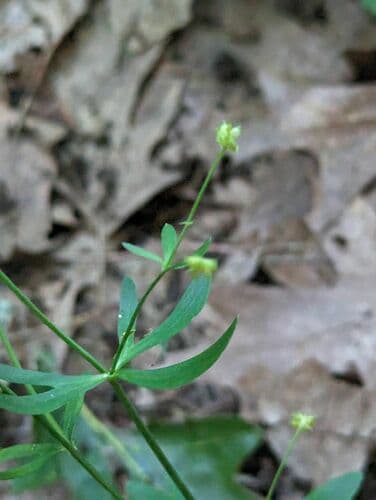
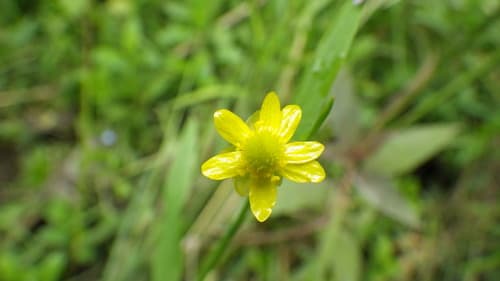
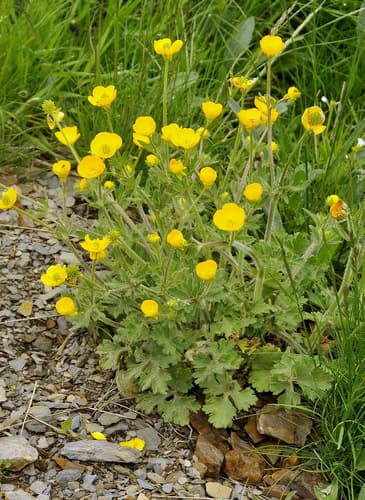
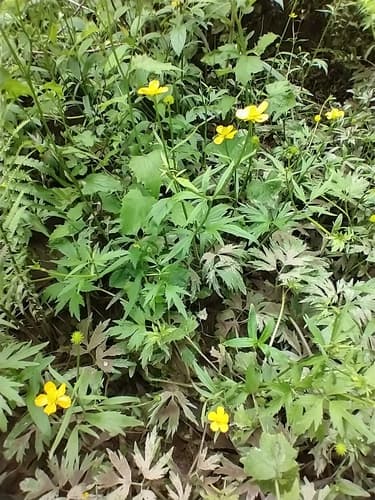
Among New England's buttercups, small-flowered buttercup is unmistakable due to its tiny petals - all other buttercup species have much more prominent yellow flowers. Early buttercup blooms around the same time but has typical bright yellow petals, while creeping and meadow buttercups have large, glossy yellow flowers. The kidney-shaped basal leaves also distinguish it from the more deeply-divided basal leaves of most other buttercup species.
spikerushes
Eleocharis20 speciesHow to Tell Them Apart
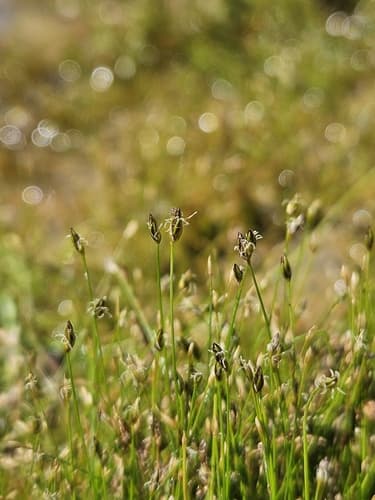
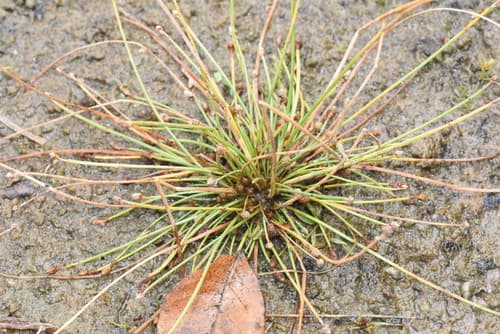
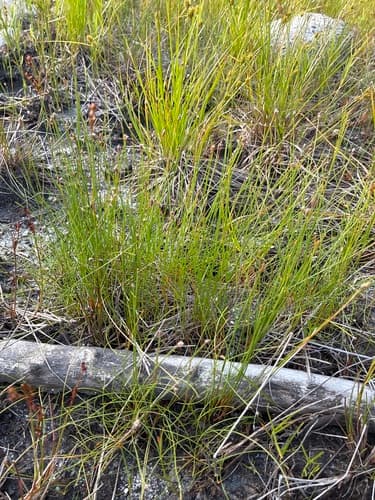
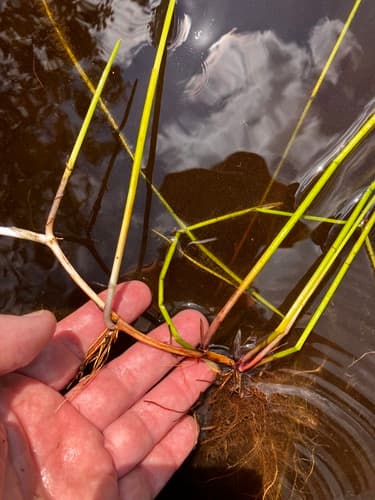
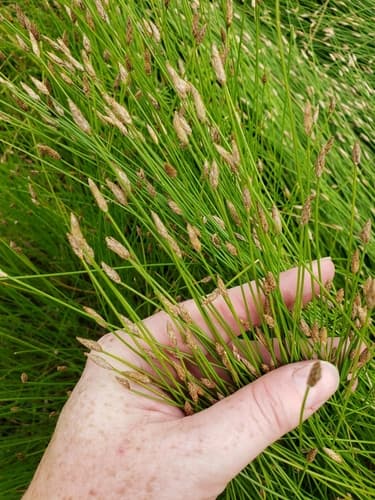
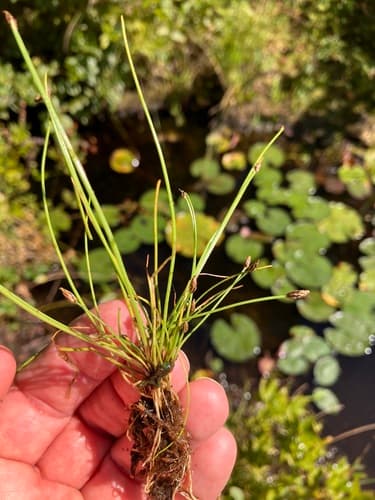
Needle Spikerush is the most delicate of all New England spikerushes, with stems so thin they make other species look chunky by comparison. While Common Spikerush and Blunt Spikerush have stems thick enough to feel substantial in your fingers, Needle Spikerush stems are barely thicker than heavy thread. Its relatives also tend to grow taller and have more robust flower spikes, making Needle Spikerush the 'baby' of the spikerush family.
Micrasterias
Micrasterias20 speciesHow to Tell Them Apart
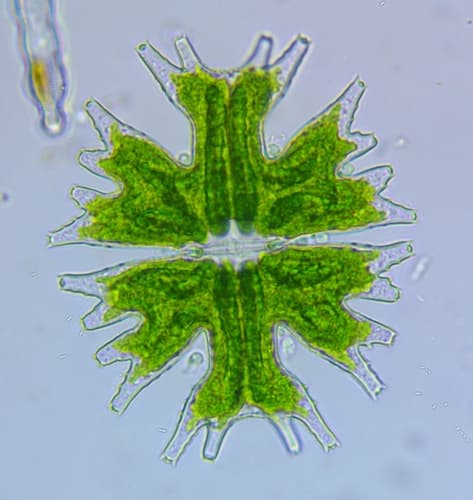
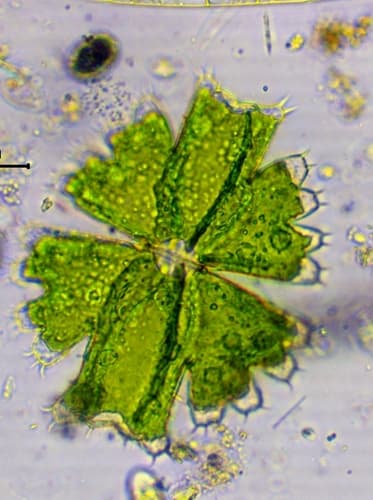
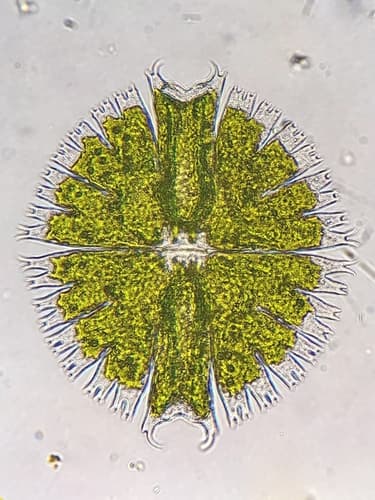
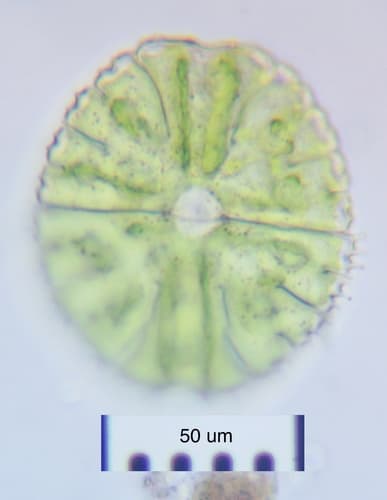
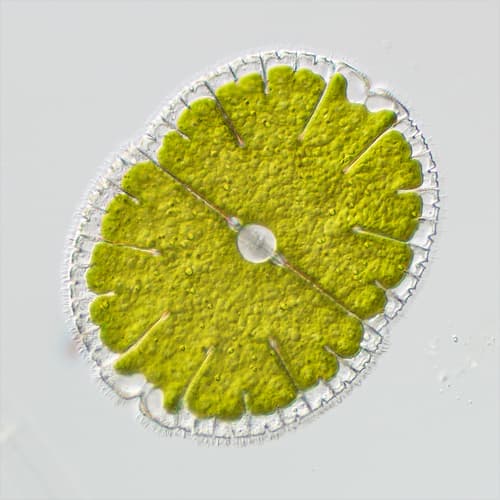
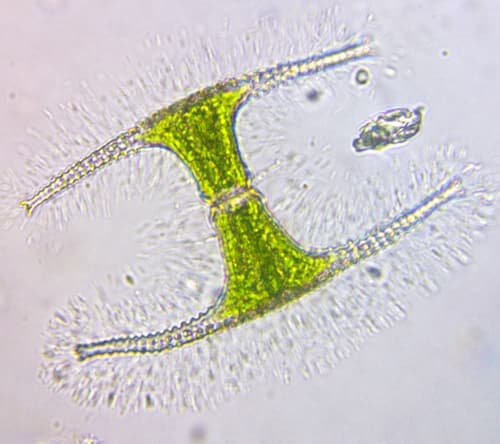
Micrasterias americana differs from its relatives by having relatively broad, rounded lobes compared to the sharp angles of M. truncata or the extremely fine, fern-like divisions of M. pinnatifida. It's generally larger and more robust-looking than M. rotata, and lacks the distinctive deep notches that characterize M. furcata.